
Solar Solutions
Built for Better Energy Planning
Optiima Crew delivers solar EPC, rooftop and ground-mounted solar projects, electrical contracting, industrial engineering, and operation and maintenance. Explore a solar approach designed around your site and energy requirements.
Solar Solutions, From
Site Survey to Ongoing Support
Optiima Crew provides solar EPC and electrical engineering services across the project lifecycle. The delivery framework brings together site assessment, design, installation, commissioning and maintenance support for commercial and industrial requirements.

Site Survey & Requirement Analysis
Detailed assessment and requirement analysis to establish the project context before design and execution.
Design & Engineering
Customized design and engineering for solar and electrical requirements.
Rooftop & Ground-Mounted Solar
Solar EPC delivery for rooftop systems and ground-mounted solar projects.
Electrical Contracting
HT and LT electrical works, substations, power distribution and cabling for commercial and industrial requirements.
Installation & Commissioning
Installation, testing and commissioning as part of the project delivery process.
Operation & Maintenance
Operation and maintenance services focused on ongoing system performance and long-term project support.
A Connected Delivery Process:
From Site Assessment to Ongoing Support
A clear project path for solar and electrical requirements, bringing together survey, design, installation, commissioning and maintenance support.
Site Survey
Detailed site survey and requirement analysis to understand the project context before a solution is designed.
Design & Engineering
Customized solar and electrical design and engineering aligned to the project requirements.
Solar EPC & Electrical Works
Rooftop and ground-mounted solar delivery alongside electrical contracting for commercial and industrial requirements.
Commissioning & O&M
Testing, commissioning and operation and maintenance support for ongoing project performance.
A Clear Solar Plan:
From Site Inputs to Project Support
Solar projects bring together site conditions, system design, electrical infrastructure and long-term operation and maintenance. This view outlines the core decisions considered across the delivery process.
Solar Project Planning Path // Site Assessment
Sustainable ROI:
Reclaiming Resources, Slashing Expenses
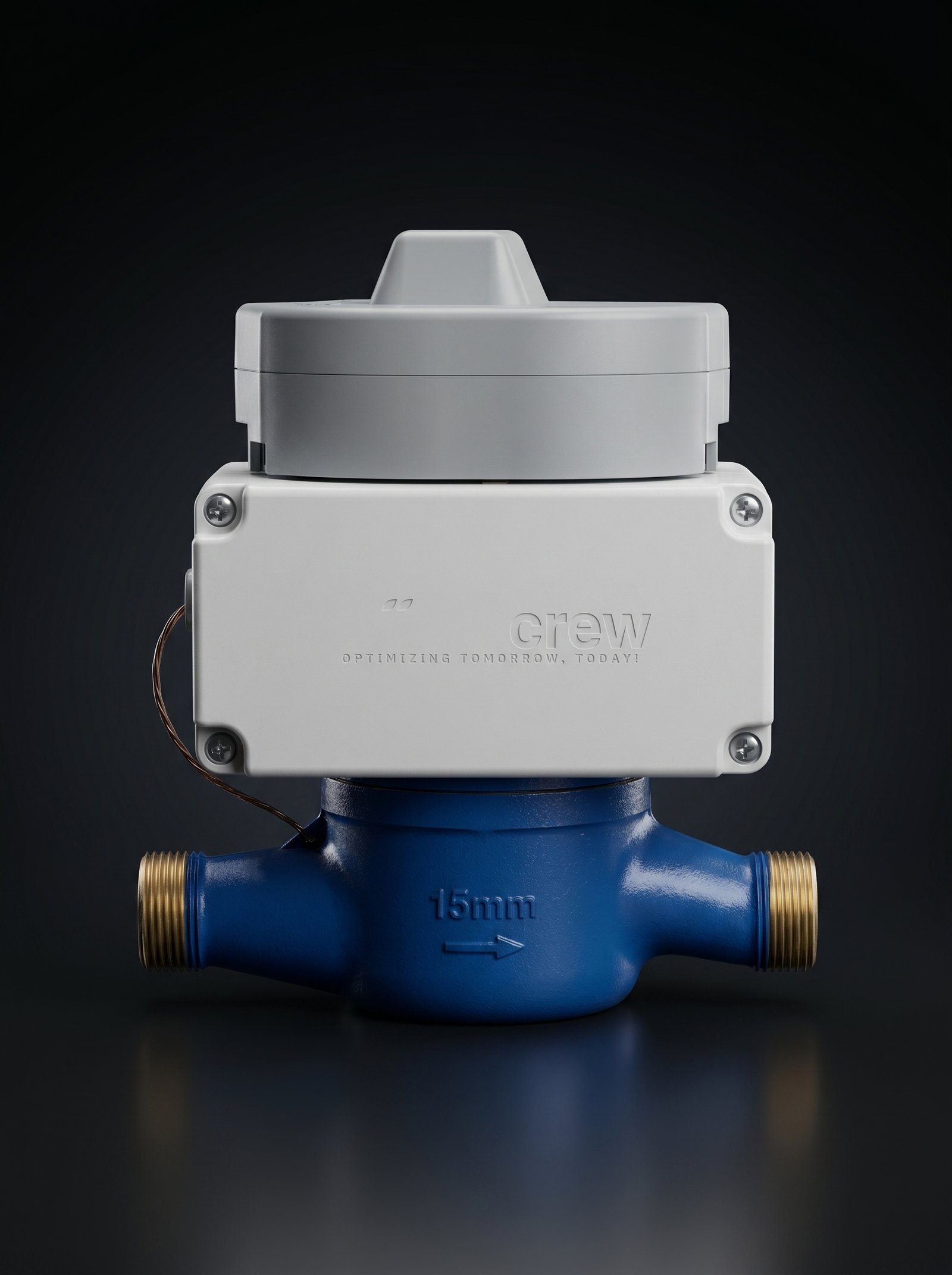
Deploying an IoT smart water infrastructure delivers immediate operational advantages while transforming hidden distribution liabilities into definitive financial and environmental assets.
Reinvested Capital
By deploying automated edge leakage identification parameters, municipalities and enterprises systematically eliminate resource waste. The massive financial capital previously lost to unmetered line leaks and billing errors is instantly reclaimed and redirected back into funding core structural sectors like education, healthcare, and critical utility expansion.
Environmental Revolution
Contribute directly to an eco-optimized planet and a sustainable future by dropping macro water draw parameters and decreasing utility supply system carbon intensities.
Data Redundancy
Local edge flash storage memory layers save multi-week metrics locally during structural server network disconnects, preventing billing or operational telemetry gaps.
Protocol Flexibility
Full software compatibility across MQTT(S), HTTP(S), or raw TCP protocols allows data pipelines to mold perfectly to custom enterprise scada environments.
Long-Term Value
Engineered strictly for peak asset efficiency with minimal long-range field maintenance cycles, providing high-reliability, multi-decade capital returns.
Technical Authority:
Frequently Asked System Inquiries
Addressing the core operational, structural, and integration concerns of engineering directors, industrial procurement heads, and municipal management authorities.
Each physical edge node is engineered with an integrated flash memory storage redundancy layer. In the event of a structural network disconnection from server routing blocks, telemetry logging remains completely active locally. Once communication channel stability is recovered, the device automatically triggers encrypted batch transmission sequences to fill cloud database gaps cleanly without causing billing or evaluation issues.
By operating intentionally within the low-frequency 865 to 867 MHz spectrum, our hardware leverages superior sub-GHz signal properties. Unlike standard high-frequency networks that scatter against obstacles, these waves pass through dense reinforced concrete, thick subterranean concrete vault boundaries, and heavy steel framing modules, securing a 5000-meter baseline link without requiring expensive field repeater hardware layouts.
Yes. The central pipeline layer features native conversion matrix support for both raw CSV formats and modular JSON encapsulation models. Data packets transmit natively across industry-standard communication pathways including MQTT(S), HTTP(S), or basic TCP sockets, allowing our system to map into existing SCADA frameworks, third-party ERP platforms, or legacy municipal reporting engines with zero code architecture conflicts.
The microchip board inside each device enclosure houses dedicated logic circuits coupled to structural hardware status lines. If the outer casing undergoes forced extraction, sudden structural shifting, or intentional tool destruction, the internal node changes state instantly and prioritizes an emergency interrupt request signal. This pushes immediate system alerts and telemetry console alarms out to on-site security directors within milliseconds.
SECURE TOTAL LIQUID ACCOUNTABILITY TODAY
Stop guessing where your corporate volumetric capacity is draining. Book an expert engineering audit.
Technical Specifications of a Smart Water Management System
An enterprise-grade Smart Water Management System relies on low-power wide-area network telemetry to replace manual utility measurement tracking. By utilizing advanced IoT water monitoring tools, facilities can prevent catastrophic line loss.